BCY Party's Bode Ramachandra Yadav Wants White Paper on Andhra Investment Summits
The Vijayawada press meet put TDP and YSRCP on the spot over land deals, jobs and the real results of Davos and Partnership Summits.
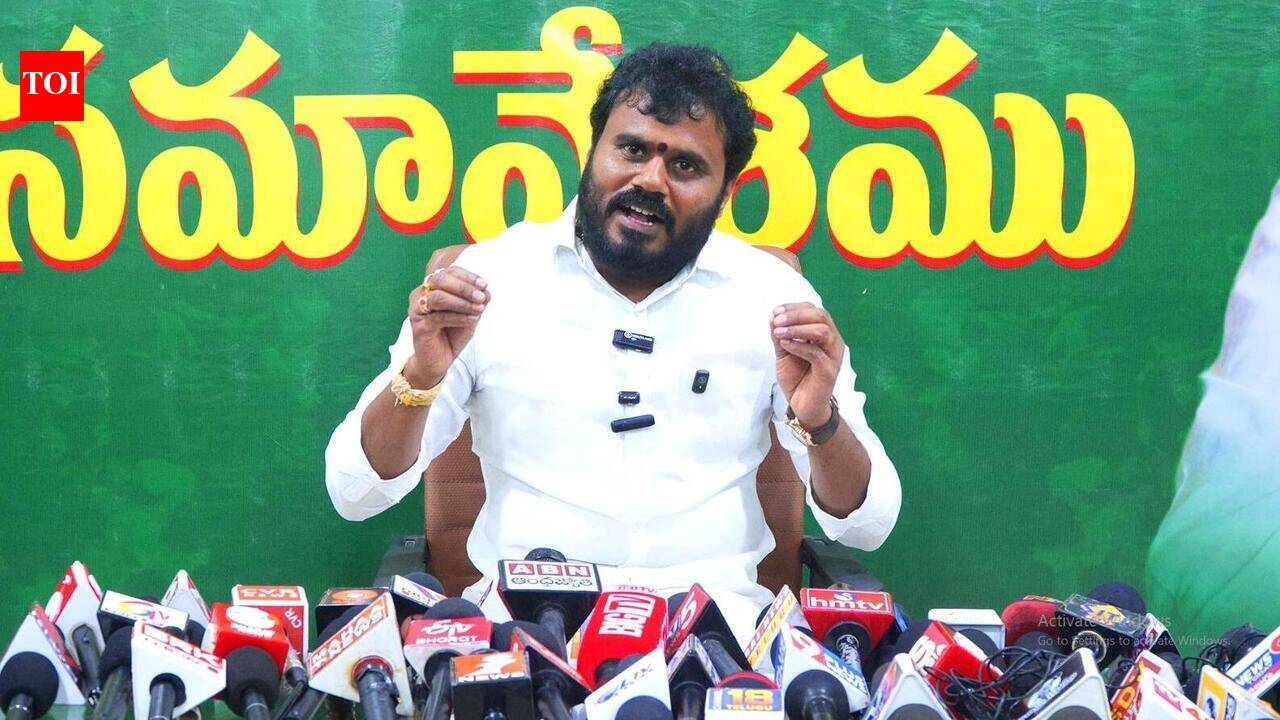
BCY Party president Bode Ramachandra Yadav has accused both the TDP and the YSRCP of using investment summits in Andhra Pradesh to hand out land to favoured people. He spoke to the media in Vijayawada on Sunday. These are his allegations. He did not offer proof in the remarks reported, and the two parties' responses were not part of the source report.
Yadav said the summits are mostly a publicity show. In his view, the MoUs signed, the investments announced and the jobs actually created do not match up. He claimed the same industrialists and the same announcements come back every year, while real factories and jobs stay hard to find.
His main charge is about land. He alleged that the summits help give land to chosen individuals at nominal prices, instead of drawing real industry to the state. He also demanded an inquiry into land allotments made after the summits, and into money that ruling parties allegedly collected through such deals.
He then set out a clear demand. He asked the TDP and the YSRCP to publish a white paper. A white paper is an official report that lays out facts on an issue. Yadav wants it to list the greenfield industries set up through the Davos and Partnership Summits since 2014, the jobs created, the land given to companies, and the prices paid.
He went further. He asked Chandrababu Naidu and YS Jagan Mohan Reddy to disclose all land allotments made in their tenures, especially to people from their own communities. He wants these compared with allotments to SC, ST, BC and minority groups. He also sought details of every land allotment and incentive since 1995, covering undivided Andhra Pradesh and the reorganised state, within a month. The list, he said, should name companies, their directors and their community details.
Yadav added that he is not against incentives for industries that create thousands of jobs. His condition is that allotments and concessions must be transparent and free of bribes and commissions. He argued that this would also shield investors from harassment when governments change.
Why does it matter? Investment summits are a major tool for state governments to project economic growth and promise jobs. Questions about what happens after the MoUs are signed are fair public questions. Yadav also appealed to weaker sections to demand answers, warning that without accountability future generations could be left in menial and wage labour.
Read the original report: Times of India.